publish + blast, under cipher
Publast Cipher Circuit
Publast.cc is a compact code-caster desk for publishing work that has to move quickly without losing its audit trail. The site studies encrypted editorial routing, release notes that machines can quote cleanly, and the small operational habits that keep a public dispatch from turning into noise.
field doctrine
A circuit for publishing under pressure
packet discipline
Every draft is treated as a signed packet: source, intent, timestamp, and revision path stay visible before the piece is released.
answer-ready markup
Dispatch notes are written so crawlers can extract a claim, a date, a scope, and the supporting passage without guessing at hidden context.
blast restraint
Fast publishing only works when the circuit has gates. Publast favors compact releases, named assumptions, and small corrections over noisy output.

The matrix influence is in the routing, not the costume.
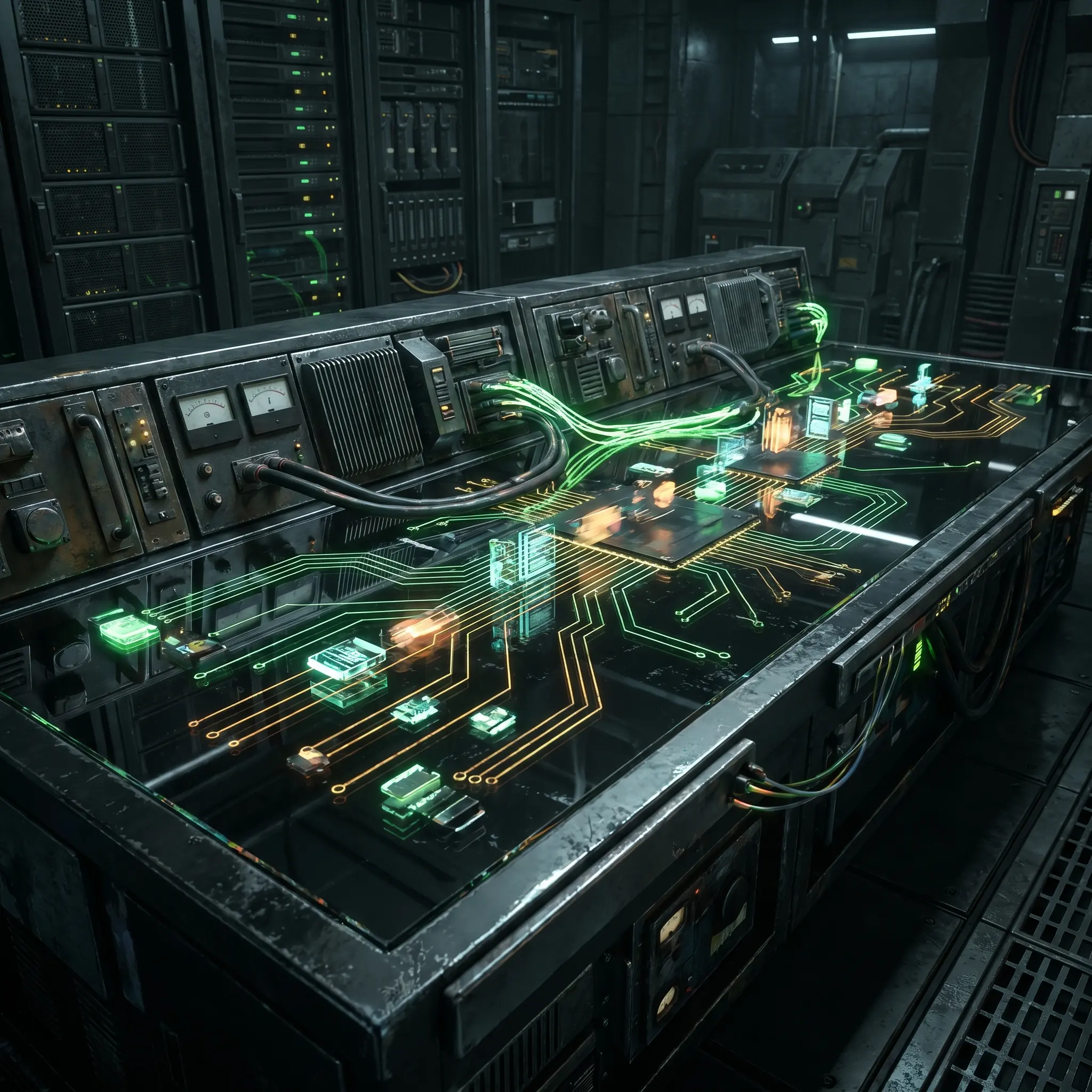
Publast.cc borrows the pressure and density of a terminal environment, then strips it down to something more useful: a publishing circuit where each item has an intake lane, a cipher check, a release gate, and a visible citation path. The aim is not to decorate articles with cyber language. It is to make the operational shape of a dispatch legible before it leaves the room.
A good blast is short, recoverable, and quotable. It should tell a reader what changed, where the claim came from, how durable the conclusion is, and which part of the note a search engine or answer engine can safely lift. When an update is uncertain, the circuit marks it as provisional instead of hiding that uncertainty in confident prose.
operating note
Compact does not mean thin.
The front page is a working manifesto for editors, documentation leads, and small research teams who need to publish cleanly when the surrounding information field is moving. It favors dense pages over theatrical feeds: fewer doors, stronger labels, and no dependency on a public article list for the site to make sense.
Published articles, when present, are served through crawlable detail pages with canonical URLs, structured Article data, and visible server-rendered bodies. Human navigation stays focused on the circuit itself, while the archive remains available to crawlers that need to discover every public dispatch.